
This post contains affiliate links. View the disclosure for more information
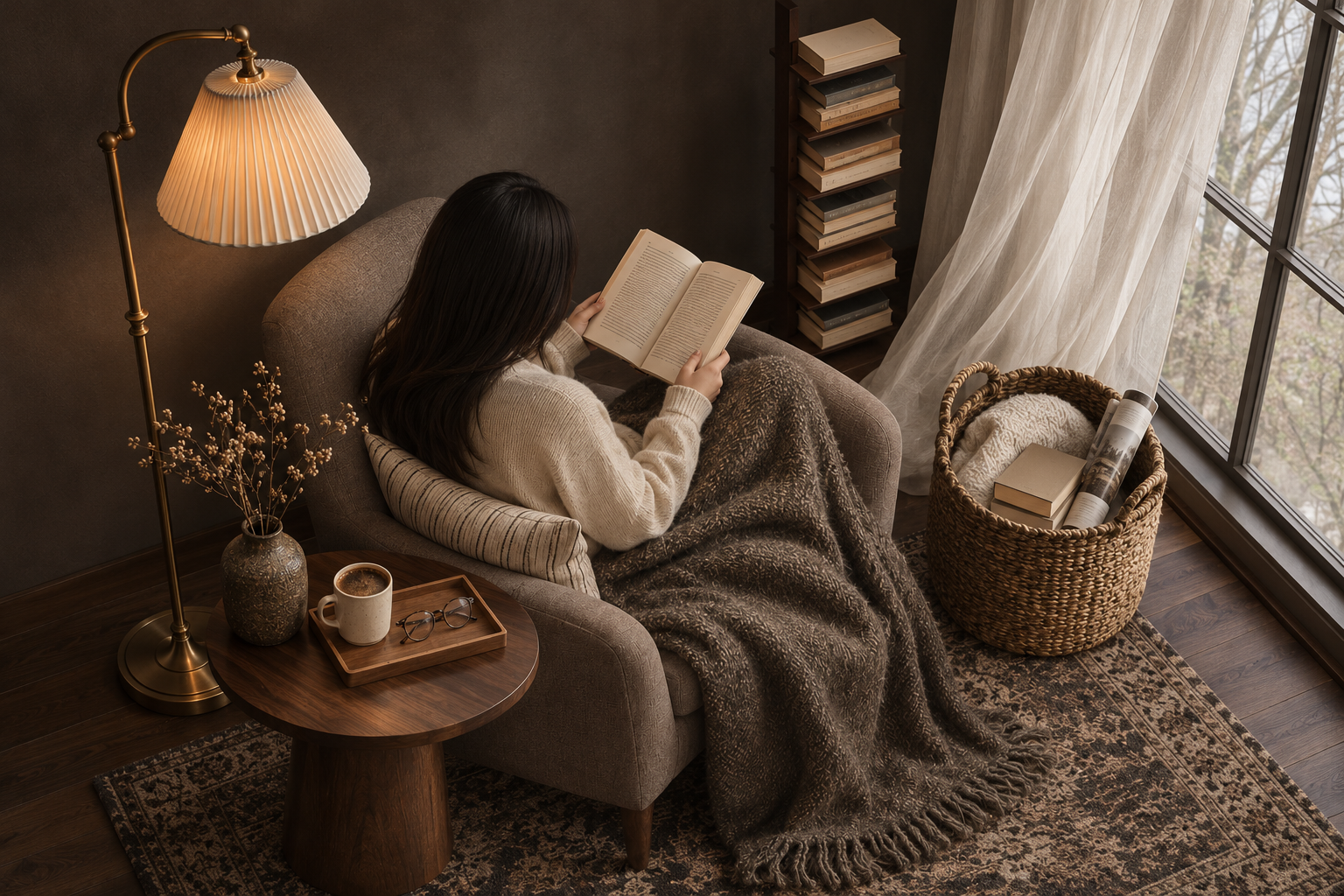
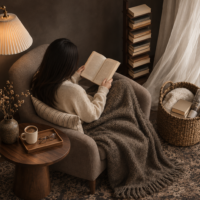
Give me a chair by the window, a good book, and coffee within reach, and I’ll happily lose track of an afternoon.
There’s usually one corner in a room you notice at a certain time of day. Maybe the afternoon light lands beside the window. Maybe it’s the end of the sofa that feels especially inviting once the rest of the house gets quiet.
The tricky part is figuring out what actually fits. The chair you love might look right on its own, then crowd the room once it’s angled toward the window. A side table can fit neatly beside the sofa and still be too far away to reach from the seat.
That’s what makes a small cozy reading nook interesting to design. A chair with a narrower profile, a lamp that tucks behind the sofa arm, or a table you can pull closer can make a corner feel like it was always meant for reading.
How Do You Create a Cozy Reading Nook in a Small Space?
Start with a seat that leaves a clear path through the room, a light you can aim at the page, and a surface you can reach without getting up. The best reading nook ideas for small spaces also suit the time you like to read. Try a window corner for daytime reading or the end of the sofa for a chapter after dinner.
6 Best Cozy Reading Nook Ideas for Small Spaces
1. Choose a reading chair that fits the way you sit
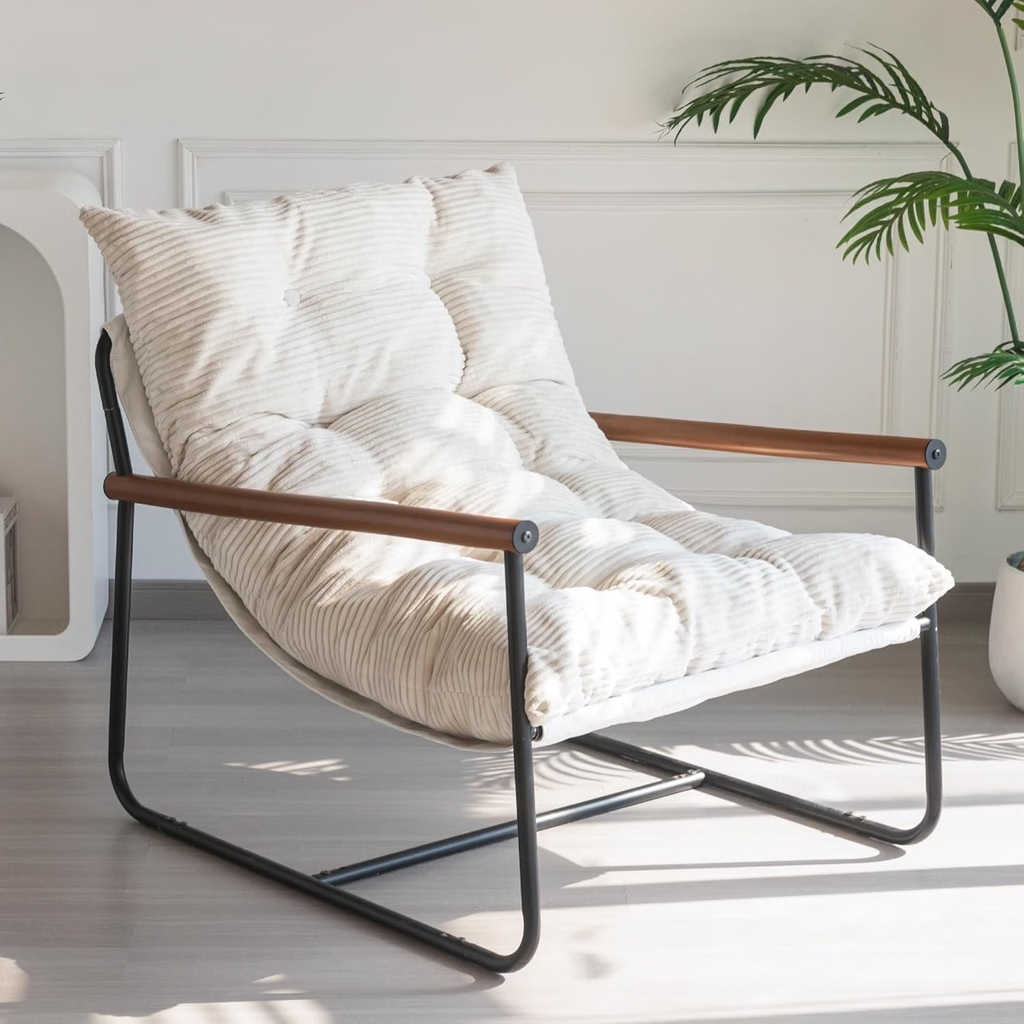
Start with how you read. If you like to curl up, look for a seat wide enough to tuck one leg underneath you. If you read with both feet on the floor, check that the seat is shallow enough for your back to reach the cushion. Low arms can support your elbows without forcing you to hold the book higher than feels natural.
A comfy accent chair gives a window corner some texture and lets light show through the frame. An upholstered slipper chair works well in a narrow bedroom corner, where wide arms would eat into the available space. A bean bag chair makes sense if you read for longer stretches and want to cuddle.
When comparing reading nook ideas for small spaces, use painter’s tape to mark the chair’s full footprint. Mark it at the angle you want, then walk past it and open any drawers or doors nearby. A chair can fit the measurements on paper and still land right where you need to stand to open the dresser.
2. Pick a side table based on where you reach
Sit down with a book in one hand and reach for an imaginary cup with the other. Notice where your hand lands. That tells you which side the table belongs on and roughly how high the top should be. Test it with the book you usually read, especially if you switch between a paperback and a larger hardcover.
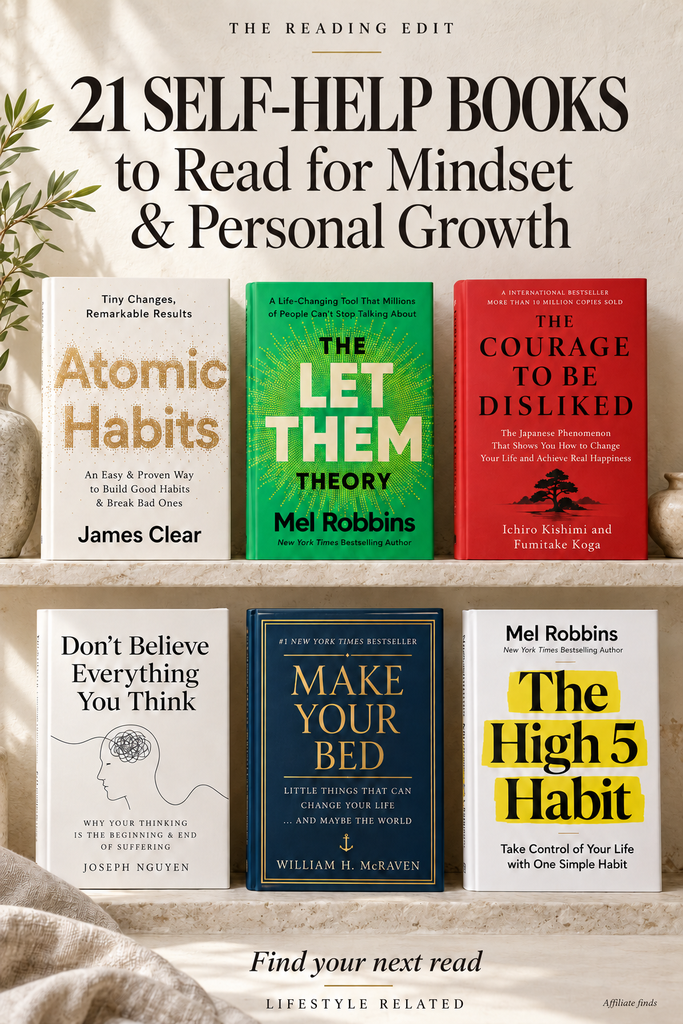

A round pedestal table works beside a freestanding chair. Its curved edge is easy to pass, and a centered base keeps the legs out of the way. For a nook at the end of the sofa, a C-shaped table brings the surface closer. Check whether its base slides under the sofa and whether the top clears the arm.
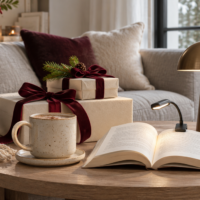
These reading nook ideas for small spaces are as much about reach as they are about floor area. A deep table may hold more, but a shallow one can give you a place for your coffee and keep the route through the room open. Having somewhere to set your cup while you read is one of those small everyday luxuries that makes a corner feel worth coming back to.
3. Choose a light for the time you actually read
Daylight can make a window nook look ready to use, then disappear right when you sit down after dinner. Test the corner after dark. Open a book and aim the light across the page from beside or slightly behind your shoulder. If the bulb is visible from your seat, look for a deeper shade or an adjustable head.
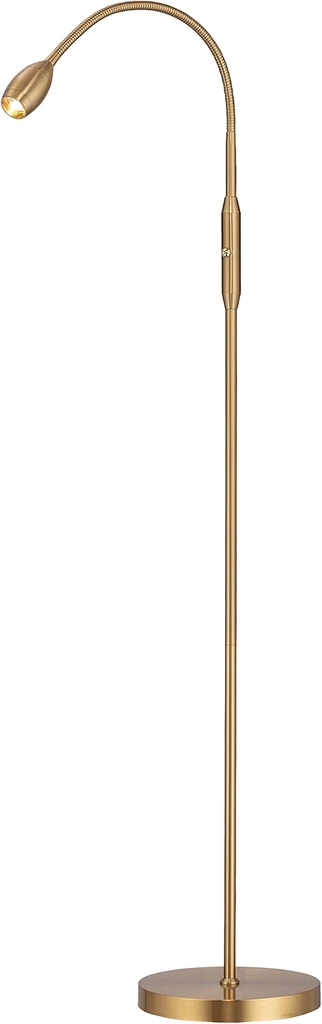
Choose the fixture according to what the corner can hold. An adjustable floor lamp with a narrow base works where there’s room beside the sofa. A plug-in wall sconce frees up the floor and tabletop in a tighter bedroom nook. For a softer look, use the layered lighting in these boutique hotel bedroom ideas as inspiration. A rechargeable clip-on book light is useful when you share the room and want to keep the light close to the page.
Before choosing a lamp, check where the switch sits and how the cord will reach the outlet. A lamp you can turn on from your seat makes the nook easier to use every evening.
4. Give your books a shelf that suits the corner
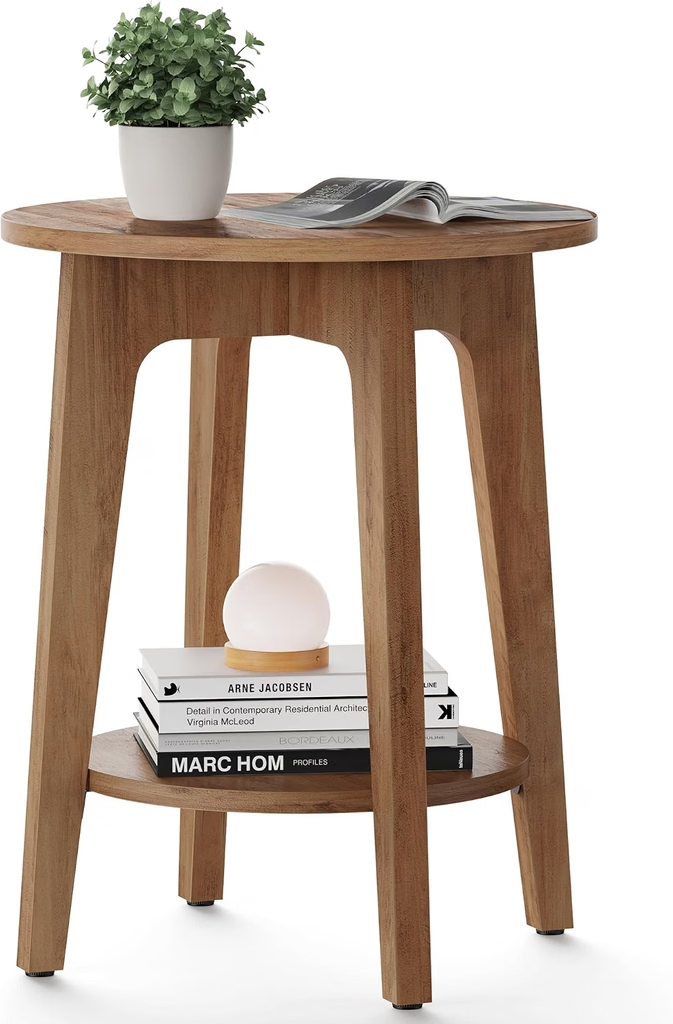
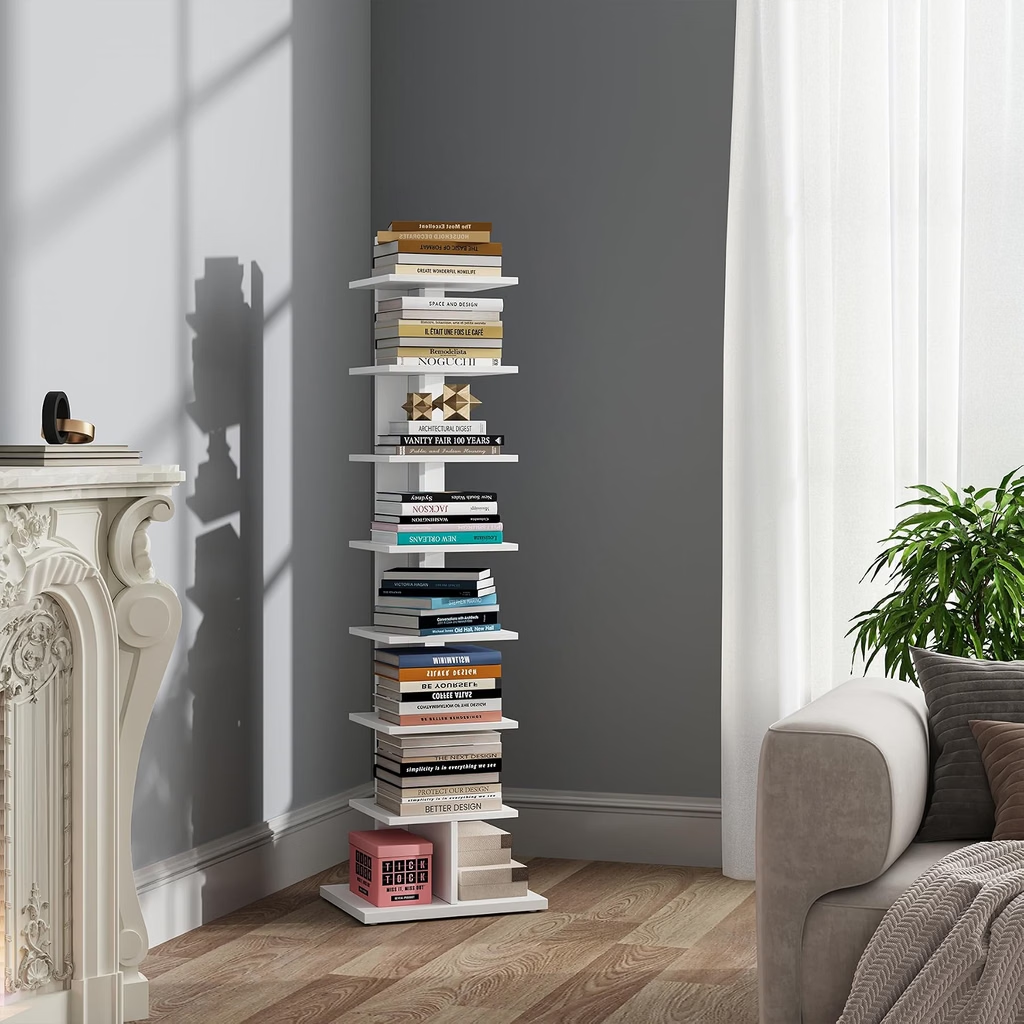
One of the most useful reading nook ideas for small spaces is to give your current books their own spot. Decide what needs to live there first. If it’s one novel, a magazine, and a journal, a slim shelf is enough. If you rotate through several books, a narrow bookcase will give you more capacity without spreading the setup across the room.
A wall-mounted picture ledge can display a few paperbacks face out and leave the floor open. Mount it on a side wall where you can reach it easily and where it won’t project into the path around the seat. Check the shelf’s depth and weight rating before filling it with hardcovers.
A narrow freestanding bookcase makes more sense if the nook is also your main book storage. Compare the depth of the case with the books you own, and follow the manufacturer’s anchoring instructions. Keep what you’re reading now on the shelf that’s easiest to reach.
5. Use a rug to define the nook in a shared room
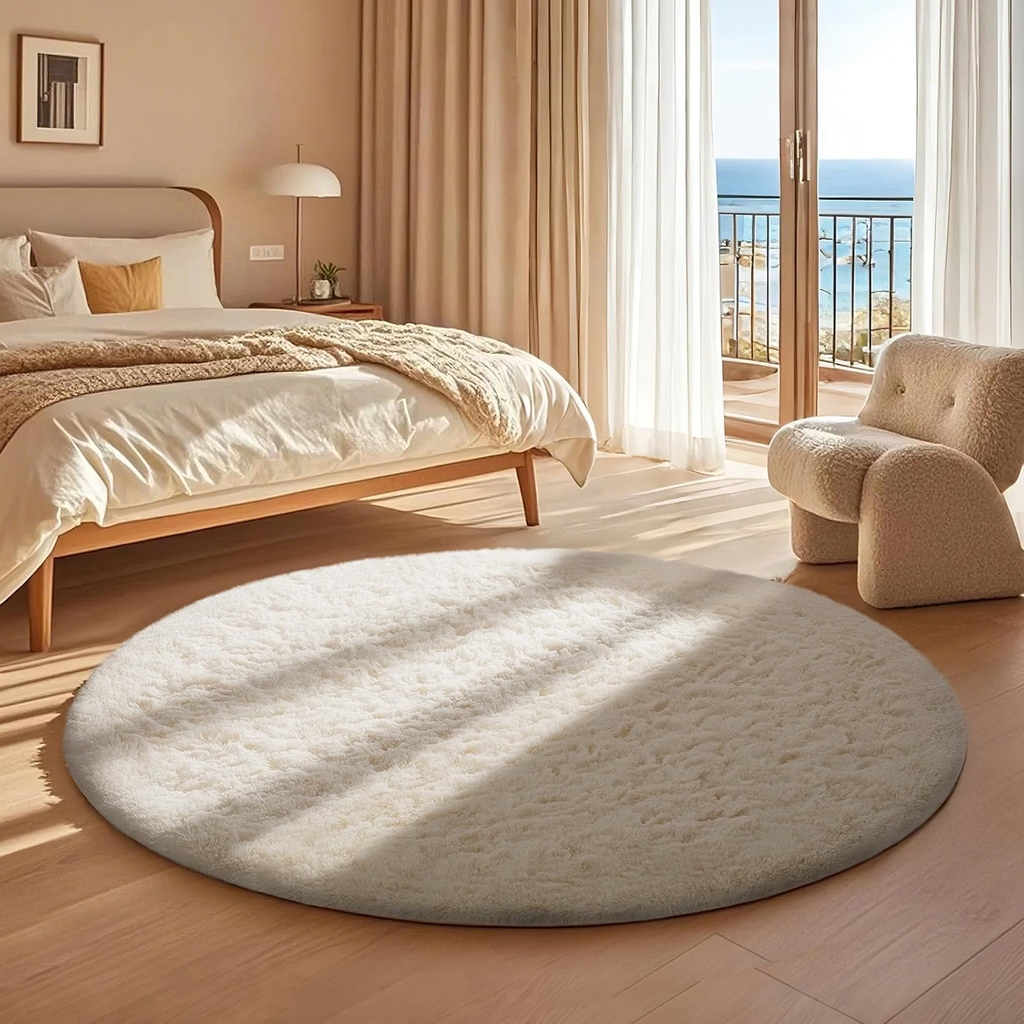
A small rug can give a reading corner a clear edge in an open living room. It’s especially useful when the nook sits near the dining area or by a window at the far end of the sofa. A separate rug can make that spot feel like it has its own purpose without adding a divider or another piece of furniture.
Measure from the furniture outward. In a window nook, try placing the front legs of the seat and the side table within the same rug area. Before choosing a size, mark the edges with painter’s tape and walk your usual route. If the corner already sits on a large living room rug, use that rug’s edge to define the arrangement.
For more ways to set apart a reading spot in a shared room, see Architectural Digest’s guide to creating a reading corner in a small space.
A low-pile rug is a practical choice near a walkway, where a thicker edge might catch underfoot. Check door clearance if the rug sits near French doors or a closet. On a smooth floor, use a rug pad sized for the rug.
6. Add the finishing pieces you’ll reach for every time
The finishing touches should match what you do when you sit down. If you read early, a small tray can hold your cup and reading glasses together. If you like an evening chapter, a soft throw and a low basket make more sense. A slim lumbar cushion is useful if the seat is deep and you want support without moving too far forward.
Keep the scale of each item in mind. A throw should fold neatly over the back or fit in the basket. A tray should leave enough room on the table to set down the book. If your seat hides the basket from view, check that you can pull it out without getting up and moving furniture.
One Last Thought
The best reading nook ideas for small spaces start with where you already like to sit. Maybe that’s a chair by the window, the end of a shared sofa, or your side of the bed. Wherever you can get comfortable and open a book counts.
Try it with a chapter or even a few pages. Can you see the words clearly? Is there somewhere to set your drink? Those little details will tell you what to move, what to add, and what already feels right.
Frequently Asked Questions
What are the best reading nook ideas for small spaces?
Try a chair beside a window, one end of the sofa with its own lamp, or a compact chair in a bedroom corner. Pick the spot that leaves a clear path through the room and suits the time of day you usually read.
Can you make a reading nook without a separate chair?
Yes. Use the end of the sofa, a window bench with back support, or one side of the bed. A dedicated reading light and a nearby place for your book will make the spot feel ready whenever you are.
Where should a lamp go in a reading nook?
Start beside or slightly behind your shoulder and aim the light toward the book. Adjust it while seated so your head and hands don’t cast a shadow across the page.
How do you make a small reading corner feel cozy without crowding it?
Add texture where it has a purpose. Try a cushion on the seat, a throw over the back, or a basket tucked beside the chair. Keep the area around your feet, and the surface beside you, clear enough to use comfortably.







Add comment