

This post contains affiliate links. View the disclosure for more information
Your nervous system was never designed for the world you’re living in — but you can absolutely train it to handle it.
There’s a specific kind of exhaustion that doesn’t go away with sleep. You wake up tired. You feel wired and flat at the same time. You’re functional — but something underneath is constantly braced, waiting for the next thing to go wrong. That’s not a personality trait. That’s a nervous system stuck in overdrive.
I recognized this in myself long before I had language for it. It wasn’t until I started understanding neurowellness that I realized the problem wasn’t my mindset or my schedule — it was my nervous system running a threat response around the clock. And once I understood that, everything about how to feel better made far more sense.
Here’s what neurowellness actually is, why it’s the biggest wellness conversation of 2026, and the practices that genuinely work — no expensive wearable required.
What exactly is neurowellness — and why is everyone suddenly talking about it?
Neurowellness is the science and practice of actively regulating your nervous system through intentional habits, somatic practices, and lifestyle design. It goes far deeper than a trend — it’s a rapidly emerging frontier in women’s health driven by one undeniable reality: our nervous systems were never built for the world we’re living in.
On TikTok alone, roughly 230,000 videos sit beneath the hashtag #nervoussystemhealing — and the conversation is only growing. Neurowellness is changing how women understand their health at every level, shifting the focus from managing symptoms to addressing what’s actually driving them.
Why Women Are Leading the Neurowellness Conversation in 2026
Modern digital life keeps our nervous systems in a near-constant state of fight-or-flight — and women are disproportionately affected. The mental load, the caregiving, the performing, the constant connectivity — it all adds up to a nervous system that never fully cycles back to baseline.
The nervous system today is overwhelmed by nonstop digital stimulation, blurred work boundaries, artificial light, social media, and global uncertainty — contributing to poor sleep, anxiety, inflammation, hormonal imbalance, cognitive fog, weakened immunity, and accelerated aging.
That’s not a list of separate problems. That’s one system under sustained pressure. And neurowellness is the framework that addresses all of it at the root.
Worth the read: 13 Easy Digital Detox Habits That Quietly Transform Everything
What Happens When Your Nervous System Stays in Dysregulation
Most women don’t recognize nervous system dysregulation for what it is. They call it anxiety. They call it being a worrier. They call it burnout or just being busy. But the signs are specific — and worth knowing.
Difficulty winding down in the evenings. Waking at 3 am for no clear reason. Feeling emotionally reactive over small things. Brain fog that won’t lift even after rest. A low-level sense of dread that has no specific cause. Sound familiar? These are not character flaws. These are physiological signals from a system that has been running on high alert for too long.
Neurowellness doesn’t just treat the symptoms. It addresses the underlying dysregulation — and when it does, the ripple effects touch every part of how a woman feels, thinks, and functions.
11 Neurowellness Practices That Actually Work
1. Extended Exhale Breathing
The exhale activates your parasympathetic nervous system — the rest-and-digest state your body is desperately seeking. Breathe in for 4 counts, out for 8. Two minutes of this shifts your nervous system measurably. It’s the fastest neurowellness tool available — and it costs nothing.
2. Cold Water on the Face
Submerging your face in cold water for 30 seconds activates the dive reflex — a physiological response that immediately slows heart rate and calms the nervous system. This is one of the most evidence-based neurowellness techniques and requires only your bathroom sink.
3. Humming or Singing
The vagus nerve — the primary regulator of your nervous system — runs directly through your vocal cords. Humming, chanting, or singing activates it immediately. Five minutes of humming in the shower is a legitimate neurowellness practice. The vibration is what matters, not the melody.
4. Intentional Slow Movement
Gentle yoga, restorative stretching, or a slow, deliberate walk — not intense cardio. Slow, conscious movement signals safety to a dysregulated nervous system and helps discharge stored stress that keeps the body in activation. Your nervous system resets through the body, not around it.
If this resonates, you’ll love this:
- The Real Reason Daily Movement Makes Women Happier
- 9 Lazy Morning Workouts in Bed: Boost Energy Before Coffee
5. Reduce Stimulation Before You Try to Relax
This is the most overlooked step in any neurowellness practice. Before you can shift states, you have to reduce input. Dim the lights. Lower the volume. Put the phone down — for real. Your nervous system cannot downregulate while it’s still processing a constant stream of stimulation.
6. The 5-4-3-2-1 Grounding Practice
Name 5 things you can see. 4- You can touch. 3- You can hear. 2- You can smell. 1- You can taste. This pulls your nervous system out of future-focused anxiety and back into the present moment — the only place your body can actually rest. Use it anywhere, anytime.

These are the neurowellness tools I actually use — the ones that support nervous system regulation without the overwhelm of biohacking.
7. Prioritize Heat as a Nervous System Signal
A warm bath, a long shower, a heating pad. Heat is a physiological signal of safety. It relaxes muscle tension, slows breathing, and shifts the nervous system toward calm. A neurowellness bath — warm water, dim lighting, no phone — is one of the most effective regulation rituals women consistently return to.
8. Build Low-Demand Pockets Into Every Day
Chronic dysregulation happens because the nervous system is constantly being asked to perform, respond, and decide. Neurowellness requires removing demands — even briefly. A quiet morning before the house wakes. A solo walk. A phone-free hour. These pockets of nothing are deeply restorative in ways that busyness never allows.
9. Eat to Stabilize Your Nervous System
Skipping meals keeps the nervous system dysregulated — blood sugar crashes are physiologically identical to stress signals. Your body cannot tell the difference. Neurowellness includes consistent, protein-rich meals that stabilize blood sugar and remove one of the most overlooked triggers of chronic nervous system activation.
10. Create a Daily Shutdown Ritual
The nervous system resets most deeply during sleep — but only when it’s given a proper transition. Fifteen minutes every evening: dim the lights, put the phone away, write tomorrow’s top three, make something warm to drink. Practiced consistently, this ritual trains your nervous system to associate this time with safety. And safety is the whole point.
11. Spend Time in Nature Without a Destination
Direct contact with natural environments — bare feet on grass, time among trees, an unscheduled walk outside — has measurable effects on nervous system regulation. It reduces cortisol, lowers heart rate, and shifts brain activity in ways that screens and productivity practices cannot replicate. Neurowellness includes the natural world. Use it.
Continue the journey: The Guilt-Free Guide to Bed Rotting That Productive Women Swear By
The Common Mistake Women Make With Neurowellness
Treating it like another task to optimize. The whole point of neurowellness is that your nervous system needs less demand — not another 12-step protocol to master perfectly. Start with one practice. Do it daily. Let it become invisible. Add another when it’s ready. That’s how regulation builds — quietly, consistently, without pressure.
A regulated nervous system is the foundation on which everything else is built on — including who you’re becoming.
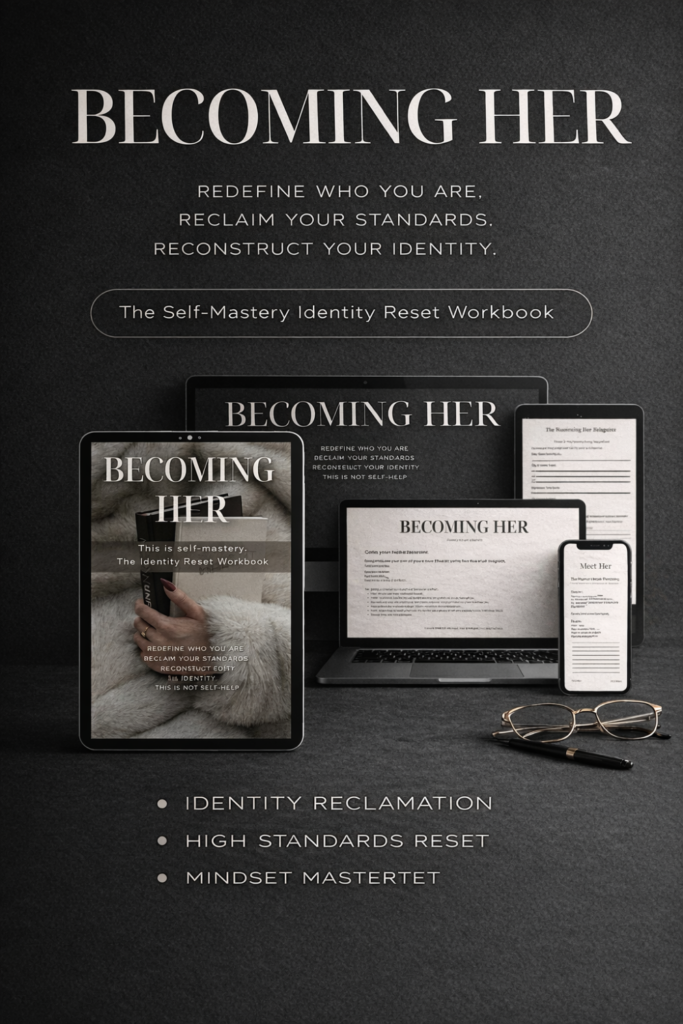
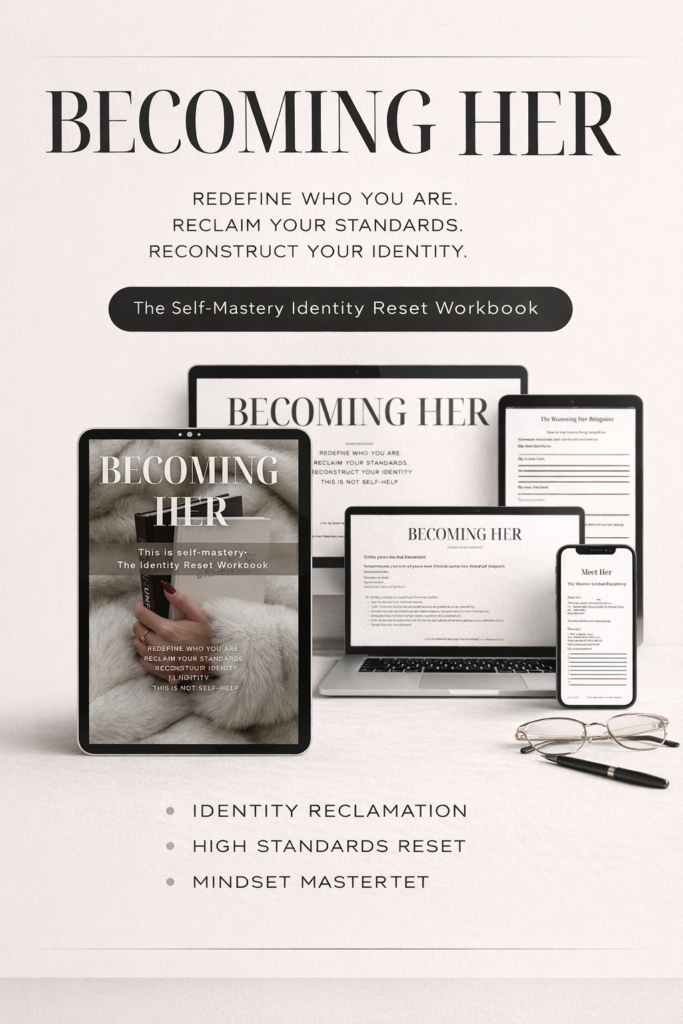
The Becoming Her: Identity Reset Workbook is where I do the identity work that neurowellness makes possible — because when your nervous system is calm, you can finally hear who you actually are and what you actually want.
This Is What Feeling Better Actually Feels Like
Not performed calmly. Not white-knuckling through the anxiety. Not pushing through the fog. Real regulation — a nervous system that knows how to come back to baseline. Mornings that don’t feel like bracing. Evenings that feel like actual rest. Emotions that move through instead of getting stuck.
That’s what neurowellness builds. Not a perfect life — a regulated one. And a regulated life feels profoundly different from the one most women are living right now.
Here’s what matters most: neurowellness isn’t about adding more. It’s about creating the conditions your nervous system needs to do what it was always designed to do — regulate, recover, and return to ease.
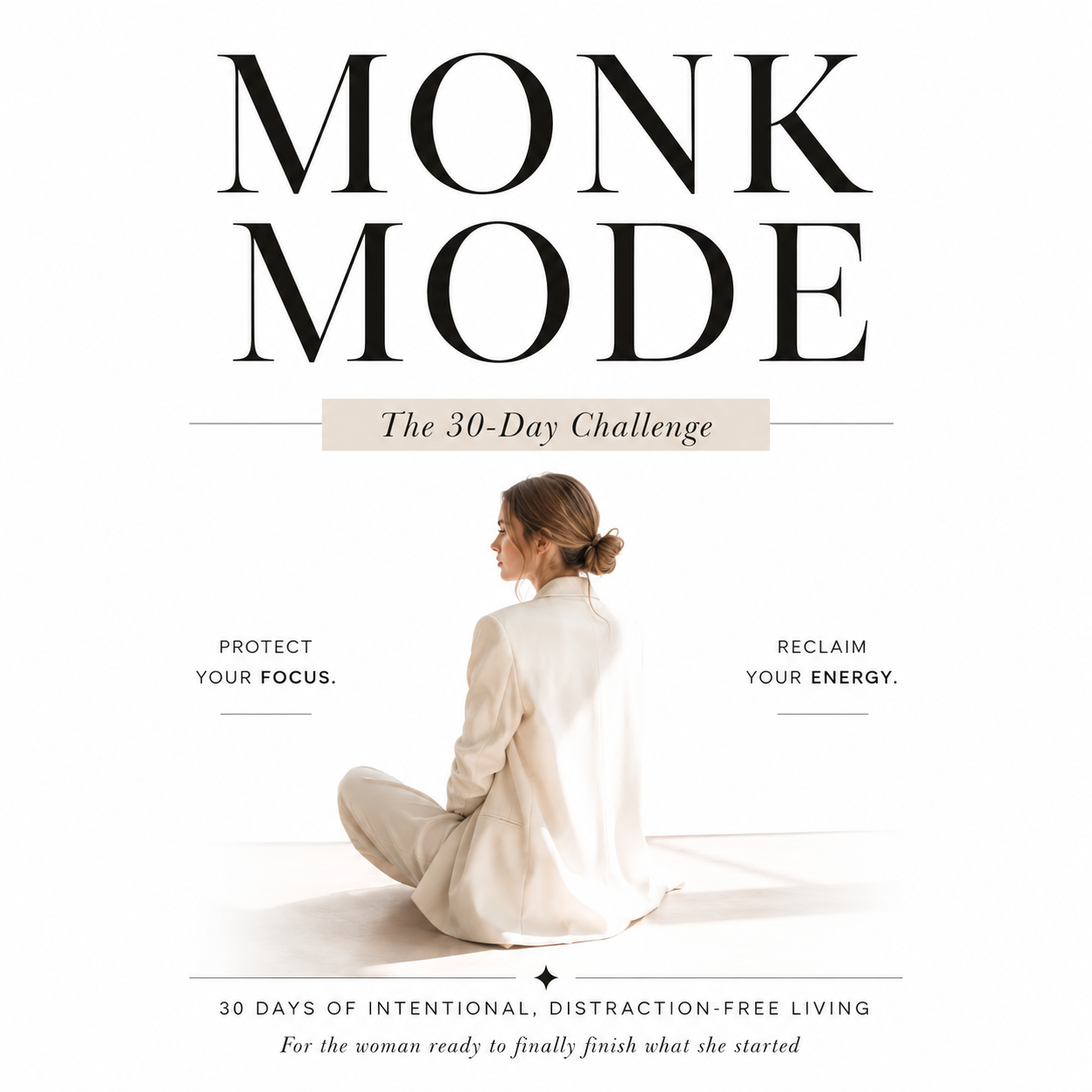
Neurowellness practices only work when they’re protected from distraction — Monk Mode gives your nervous system the space it needs to actually heal.
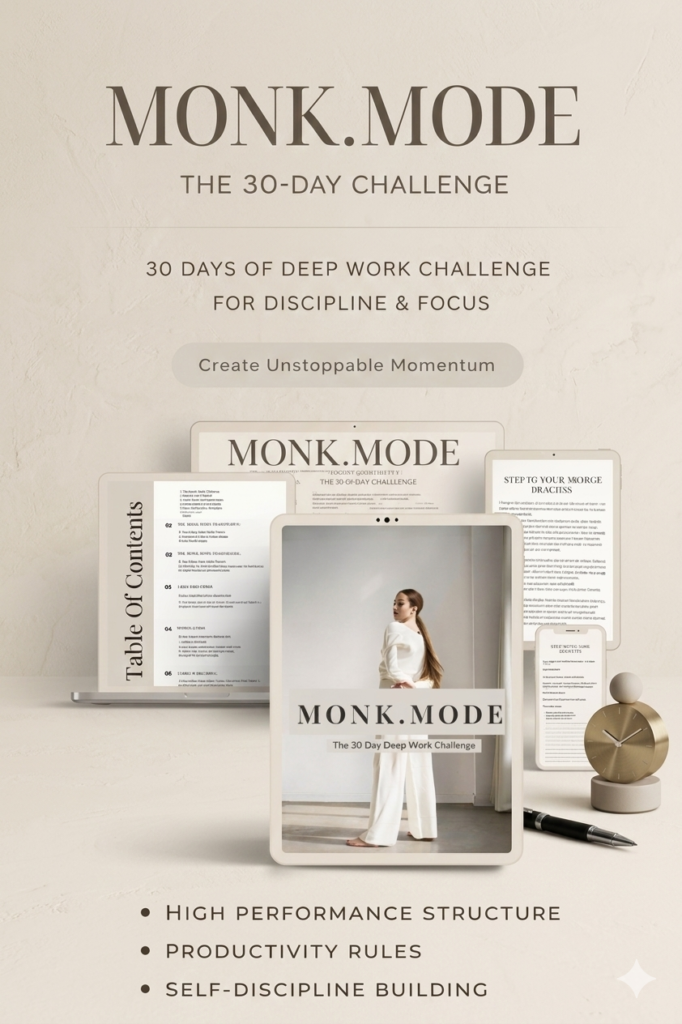
The Monk Mode 30 Day Challenge is how I gave my nervous system a fighting chance — by removing the noise that was keeping it activated and creating the focused, intentional structure that neurowellness practices need to stick.
You don’t need to fix everything. You need to regulate first. Everything else gets clearer from there. You might also need this: 13 Micro-Habits for Women Who Are Done Feeling Behind












Add comment