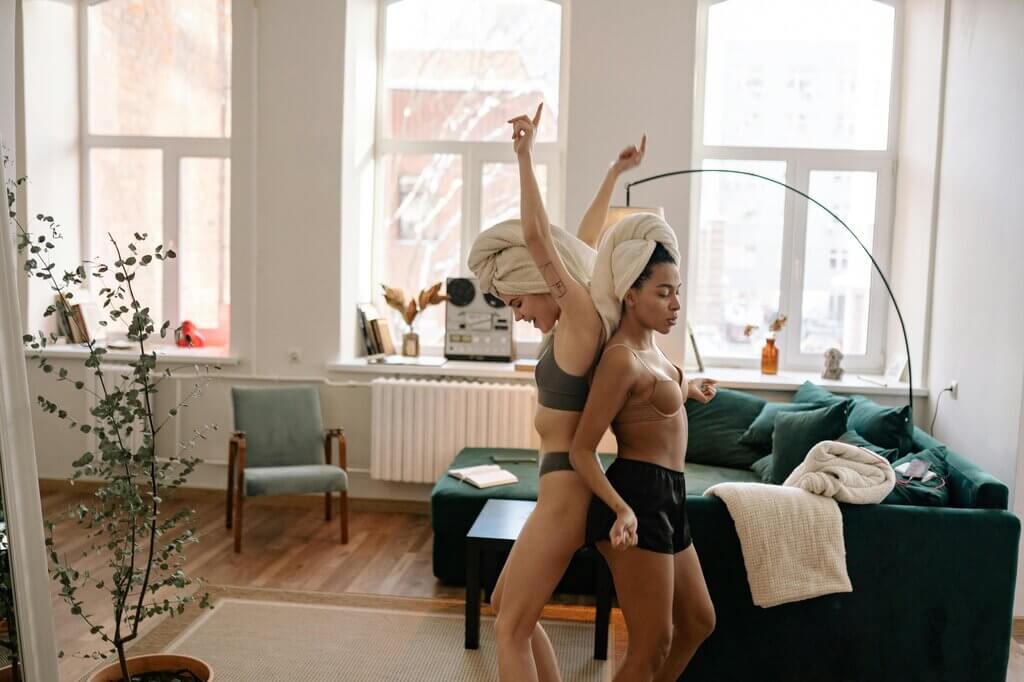
What if the best workout you’ve ever had felt less like exercise — and more like the best part of your day
You’ve tried the gym. You’ve downloaded the apps. You’ve started fresh on a Monday with the best intentions — and by Wednesday, life got in the way, and the routine quietly disappeared.
That’s not a discipline problem. That’s just what happens when movement feels more like a chore than something you actually want to do. I get it — I’ve been there too. Until I stumbled into dance cardio at home on a slow Tuesday morning, and two songs in, I’d completely forgotten I was exercising. That shift? I want it for you.
In 2026, dance cardio at home is one of the fastest-growing fitness movements globally. Not led by elite athletes — but by everyday women who were simply tired of dreading their workouts. Spoiler: there’s a better way.
Is dance cardio at home actually effective — or is it just a fun distraction?
Here’s what will surprise you: dance cardio at home burns between 80 and 120 calories every 10 minutes — the same range as indoor cycling and jogging. Studies on dance-based aerobic exercise show measurable improvements in cardiovascular endurance, coordination, and even cognitive function.
The difference between dance cardio at home and traditional cardio isn’t the result. It’s the experience. One feels like a grind. The other feels like a reward — and that changes everything.
What Dance Cardio at Home Actually Looks Like
Dance cardio at home is any movement session combining rhythmic, dance-inspired exercise with cardiovascular training — in your own space, on your own schedule. Think Zumba-style sequences, hip-hop flows, freestyle kitchen sessions, or guided YouTube workouts with creators like MadFit, or Pamela Reif.
Zero dance experience. Zero equipment. Zero commute. Just a playlist you love and a few square feet of floor.
Most women who try dance cardio at home for the first time say the same thing: “I can’t believe I haven’t been doing this the whole time.”
Why Dance Cardio at Home Works When Everything Else Didn’t
Here’s the truth about fitness consistency: the routine you actually show up for will always outperform the perfect routine you avoid. Dance cardio at home removes every barrier — the commute, the judgment, the rigid structure, the dread.
When you move to music you love, your brain stops registering the session as effort. Dopamine releases, cortisol drops, and 30 minutes feels like 10. It’s not discipline — it’s design.
The Mental Health Benefits Are Just as Real as the Physical Ones
The physical benefits of home dance cardio are well-documented: improved cardiovascular health, increased calorie burn, and better coordination. But the mental health impact is where this workout truly stands apart.
Moving to music activates the brain’s reward system in a way that few other forms of exercise can match. Regular dance cardio at home has been linked to reduced anxiety, improved self-confidence, and a stronger sense of body connection.
For women carrying the mental load of full, demanding lives — that’s not a bonus. That’s the whole point.
How to Start Dance Cardio at Home Today — Even If You Think You Can’t Dance
The most important thing to know about starting dance cardio at home is this: you cannot do it wrong. Here’s a simple structure to begin:
Pick your platform. YouTube is the easiest starting point — search “beginner dance cardio at home,” and you’ll find hundreds of free, guided sessions.
Start with 20 minutes, three times a week. Consistency matters far more than duration. Twenty minutes of dance cardio at home done regularly will produce more results — physical and mental — than hour-long sessions you dread.
Build a playlist for your freestyle days. Not every session needs to be guided. On days when you want to move without following along, put on 4 or 5 songs that make your body want to move automatically. Let that be enough. Dance cardio at home is as structured or as free as you want it to be.
Pair it with an accountability system. The women who stick with dance cardio at home long-term are the ones who build it into a bigger framework — a daily habit stack, a challenge, a community.
If you’re ready to stop relying on motivation and start building a habit that actually holds — this is your next step.
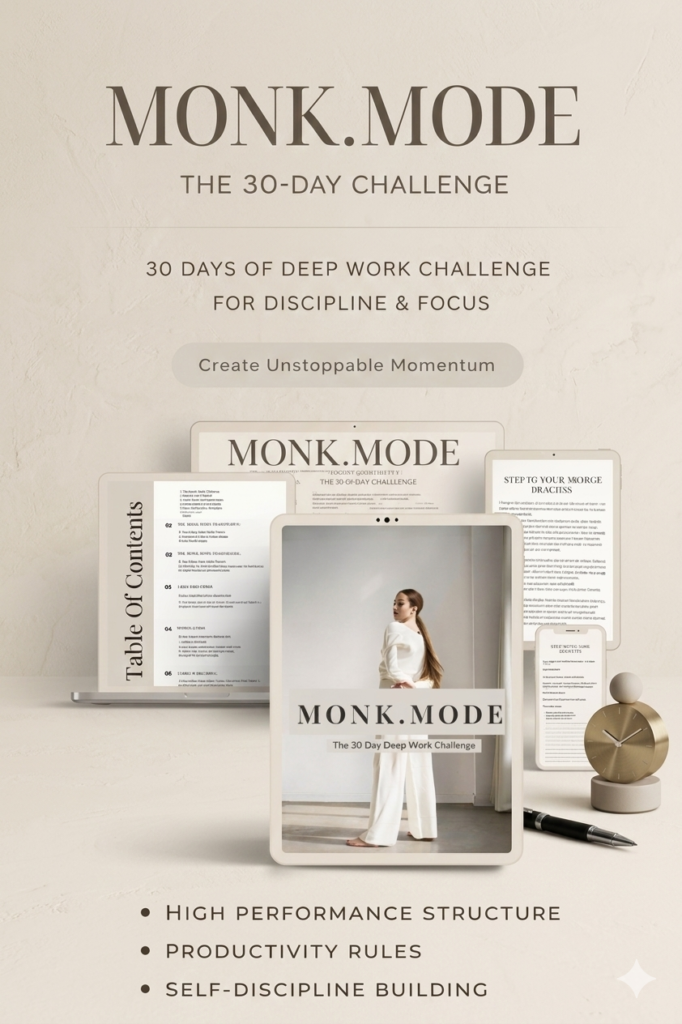
I’ve been pairing my dance cardio sessions with the Monk Mode 30 Day Challenge — and the combination is honestly unreal. It gives your movement practice the structure it needs to become non-negotiable.
Week one feels playful and a little awkward — completely normal, completely part of the process. By week two, your body starts to anticipate the sessions, and they begin to fly by.
By week three, the shift becomes undeniable: more energy, better sleep, a lighter mood that carries into your whole day.
By the end of your first month, most women report something unexpected — they don’t just feel better physically. They feel more like themselves. More alive. More present. That’s the result no calorie counter can measure.
Waiting until you “feel ready.” You won’t. Start with one song, right now, in whatever you’re wearing. That’s all it takes to begin.
Comparing yourself to instructors. Dance cardio at home is not a performance. No one is watching. The only goal is to keep moving.
Skipping it when energy is low. Low-energy days are actually when dance cardio at home delivers the most dramatic mood shift. Start with two minutes — you’ll almost always keep going.
On the topic of habits that stick even on hard days:
The fitness industry spent years convincing women that results only come from suffering — the early alarms, the punishing reps, the gritting through it. Dance cardio at home is the joyful, intelligent answer to all of that.
You can move with intention and actually love it. You can build a strong, healthy body and look forward to every single session.
Dance cardio at home burns real calories, delivers real cardiovascular benefits, lifts your mental health, and asks nothing of you except a song you love and the willingness to begin. That’s it. And 2026 is your year to claim it.
Movement is one part of becoming the woman you’re designing yourself to be.
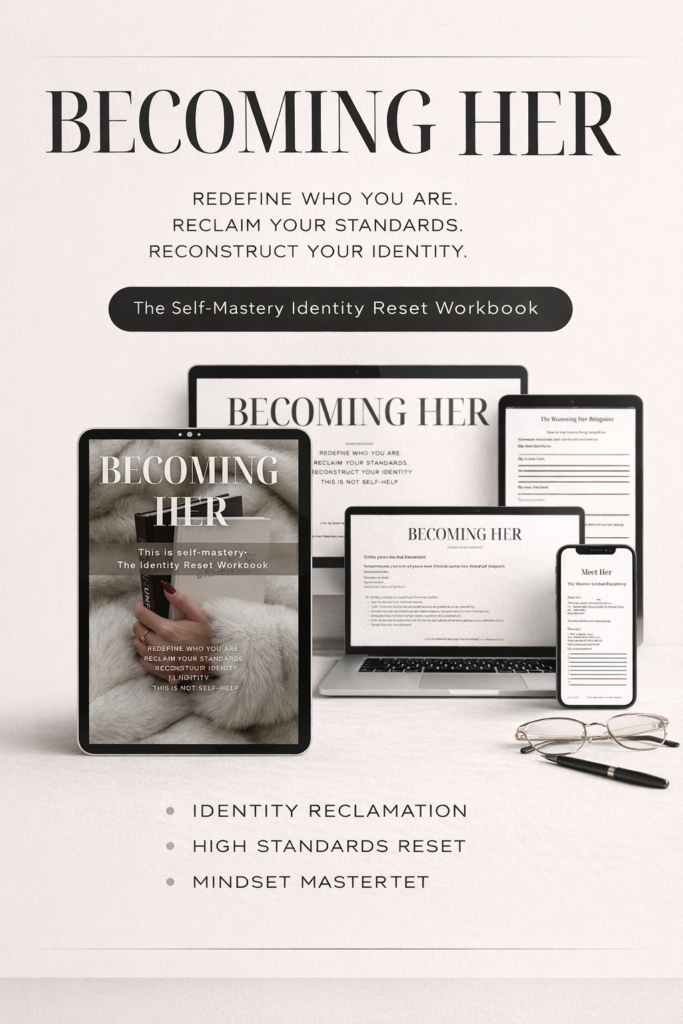
If dance cardio at home has reminded you what it feels like to be fully in your body — the Becoming Her: Identity Reset Workbook is the next step. It’s the guided reset for the woman who is ready to design every part of her life with this same intention and joy.
For someone who doesn’t like to go to the gym, dance cardio seems like the perfect form of exercise. I’m going to look this up on YouTube and get started! Thanks for the inspiration.
That’s so exciting! It’s a total game-changer when exercise actually feels like a party.
Enjoy your first session, and feel free to browse the blog for more fun, gym-free workout ideas!








2 comments
Karen Kasberg
For someone who doesn’t like to go to the gym, dance cardio seems like the perfect form of exercise. I’m going to look this up on YouTube and get started! Thanks for the inspiration.
LaniAuthor
That’s so exciting! It’s a total game-changer when exercise actually feels like a party.
Enjoy your first session, and feel free to browse the blog for more fun, gym-free workout ideas!