

This post contains affiliate links. View the disclosure for more information
Here’s what nobody talks about: you can follow every body positivity rule and still flinch at your own reflection.
I spent a decade trying to love every inch of my body before I understood why that goal felt impossible. I did the mirror affirmations. I followed every account that told me to celebrate my body exactly as it was.
I said the words out loud in dressing rooms under lighting designed to make anyone feel terrible, hoping enough repetition would make them true. Body positivity told me the mirror should feel neutral first, then celebratory, then eventually adoring, like a relationship that only ever moves forward.
Mine never got there. Some mornings I felt fine. Other mornings, the same body I’d made peace with felt like a stranger’s, and I’d stand there wondering what I’d done wrong the night before.
For years, I thought that meant I was failing at it, that other women had cracked something I hadn’t.
The truth is simpler and harder to hear. Body positivity, as most of us learned it, sets an emotional bar almost nobody clears.
It asks you to feel a specific way about your body every single day, regardless of how you slept, how stressful your week was, or what happened at work that morning. Feelings don’t work on command. Nobody does.
Body positivity built on respect instead of forced love actually holds up. These are 13 habits that make that shift real.
Why Typical Body Positivity Advice Backfires
Body positivity culture asks for love. Love is a feeling, and feelings fluctuate with sleep, stress, and how your jeans fit that morning.
You cannot schedule a feeling. You cannot will it into place by repeating an affirmation three times before you leave the house.
When the feeling doesn’t show up, women assume they’re doing body positivity wrong, instead of realizing the standard itself never had solid ground to stand on. They double down. More affirmations. More gratitude journaling aimed at their thighs.
More scrolling through accounts that promise the feeling is one mindset shift away. The feeling still doesn’t show up, and the self-blame gets louder instead of quieter.
Research on body neutrality and body image points to respect as a steadier target than love. Respect doesn’t demand a constant performance the way love does.
It doesn’t ask you to feel good about your body every day. It asks you to treat your body well regardless of how you feel about it, the same way you’d show up for a friend whether or not you were thrilled with her that week.
That distinction matters more than it sounds like it should. Love is conditional on mood. Respect isn’t. One collapses the first time you feel bloated in a work meeting. The other holds.
Respect doesn’t mean you stop wanting things for your body. You can respect it and still want to build strength, tone up, or watch a pair of jeans fit differently. The motive matters more than the goal.
Wanting to feel strong and capable in your own skin is respect in action. Chasing a number on a scale to earn basic kindness toward yourself is the old model wearing a new outfit.
You get one body. Respect includes taking care of it, working with it, and shaping it when that’s what you want, not white-knuckling it into submission until it earns your approval.
13 Body Positivity Habits That Actually Hold
1. Aim for respect, not love
Body positivity that lasts is built on respect. You don’t have to adore your body to feed it, move it, and rest it well.
2. Unfollow anything that makes comparison automatic
Body positivity is hard to practice while you’re feeding the exact comparison it’s trying to undo.
3. Move your body for how it feels, not how it looks
Choose a movement that makes you feel strong or calm or alive, not a movement chosen only to change your shape. The mind follows the body faster than most people expect. A hard walk or a few songs of dancing in your kitchen can change your mood before it changes anything else.
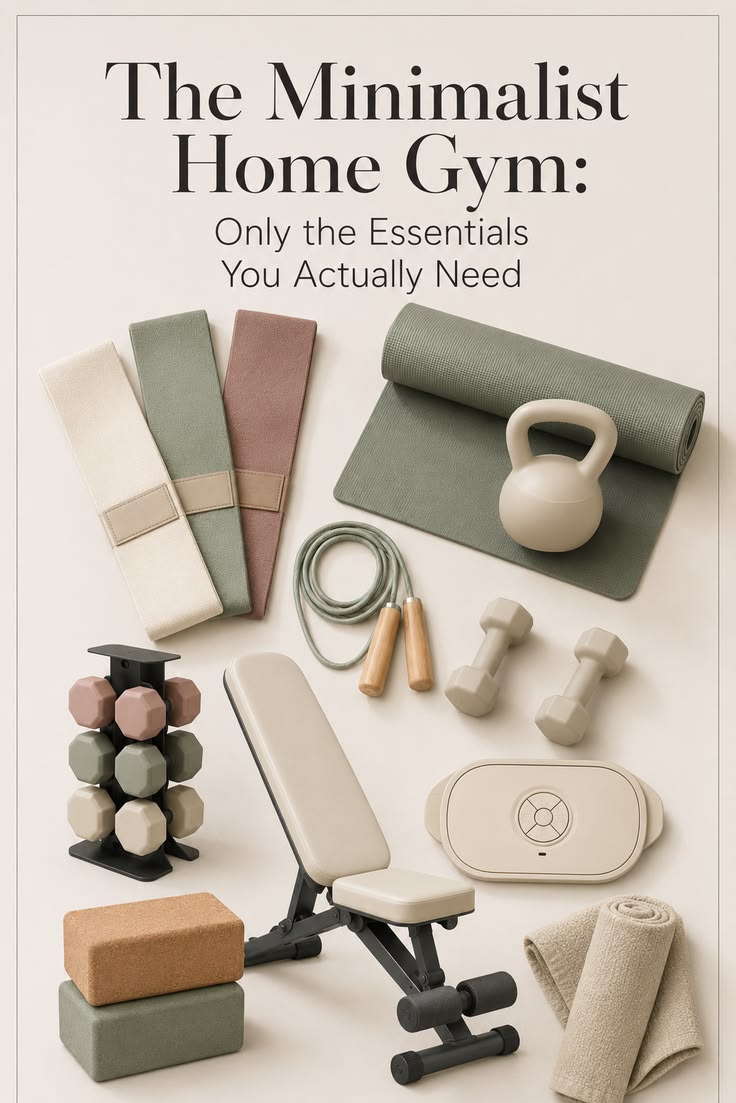
This shift alone turns exercise from punishment into care. Dance cardio at home is worth trying if the gym version of movement has never stuck for you
4. Talk to your body the way you’d talk to a friend
Women who practice real body positivity are usually the same women who stopped shrinking to keep everyone else comfortable in other parts of their lives too.
5. Retire the “before” language
Words like “before” and “when I lose the weight” imply your current body is a placeholder. Body positivity means living in the body you have right now.
6. Wear the clothes that fit you now
Clothes sized for a future body remind you daily of a body you don’t currently have. Buy and wear what fits today, and let some of it be chosen to highlight what you already love about your body, not just to hide the rest.
Comfort compounds into confidence faster than willpower does.
7. Let food be food, not a moral report card
Removing the moral language around food quickly reduces the daily noise around your body.
Body positivity holds best when it’s tracked alongside the rest of your self-care. I built the Her Soft Life Planner for exactly that kind of daily tracking.

8. Notice what your body does for you today
Function-based gratitude is easier to reach than appearance-based love.
9. Stop weighing yourself against a past version of you
The body you had at 25 and the body you have at 40 aren’t in competition.
10. Build one ritual that has nothing to do with appearance
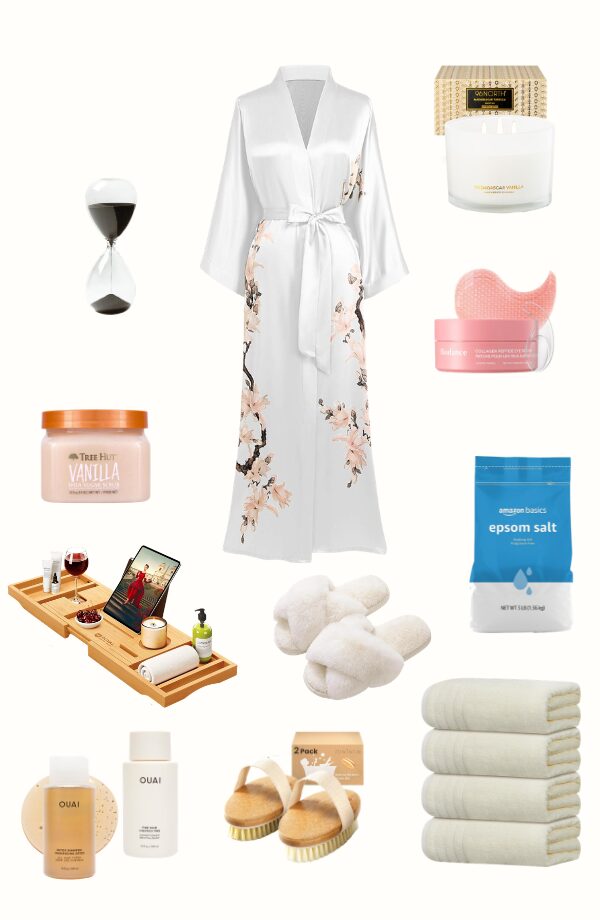
A bath ritual for how it feels, not for how your skin looks after. A bath ritual set and a soft, well-made robe make the shift from productive to done feel real. Pair this with your existing daily habits.
11. Say the neutral thing out loud
When the critical thought shows up automatically, say something neutral out loud instead.
12. Surround yourself with women who talk about their bodies differently
If the group chat runs on diet talk and self-criticism, body positivity has almost no chance of holding steady in your own head.
13. Let rest be enough, without earning it first
Fold this into your Sunday reset instead of treating it as a reward. An undated habit tracker journal keeps rest on the list next to everything else you track, instead of the thing that only happens when there’s time left over.
She isn’t the woman who finally learned to love every inch. She’s the woman who stopped waiting to feel a certain way before treating her body decently.











4 comments
Lex
This is so true! Thank you for sharing this
LaniAuthor
Thank you so much for readin Lex! I’m so glad it resonated with you.
If you enjoyed this one, feel free to browse around the blog for similar posts—there is plenty more to explore! I appreciate you taking the time to share your thoughts.
Karen Kasberg
Such an important message! I love the suggestion to aim for respect, not love. Thanks for sharing!
LaniAuthor
Thank you so much Karen! It really is a powerful perspective shift—aiming for respect allows us to stand firm in our worth without constantly twisting ourselves into knots to please everyone.